OEM & Private Label
Export to 60+ Countries
CE / MPA / ISO9001 Certified
Grinding Discs for Stainless Steel Manufacturer
Dome manufactures resin bonded grinding discs for stainless steel – engineered for weld removal, surface grinding, and precision edge preparation. Our zirconia and ceramic grain formulations self-sharpen under pressure, maintaining cutting efficiency while keeping temperatures low to prevent discolouration on stainless grades. Available in 50–230mm diameters and 3–8mm thicknesses, reinforced with fibreglass and EN12413 certified. We also offer full OEM and private label services – customising abrasive formulas, sizes, colours, and packaging. Dome grinding discs deliver consistent performance and long life for structural stainless, sanitary tubing, and architectural fabrication.
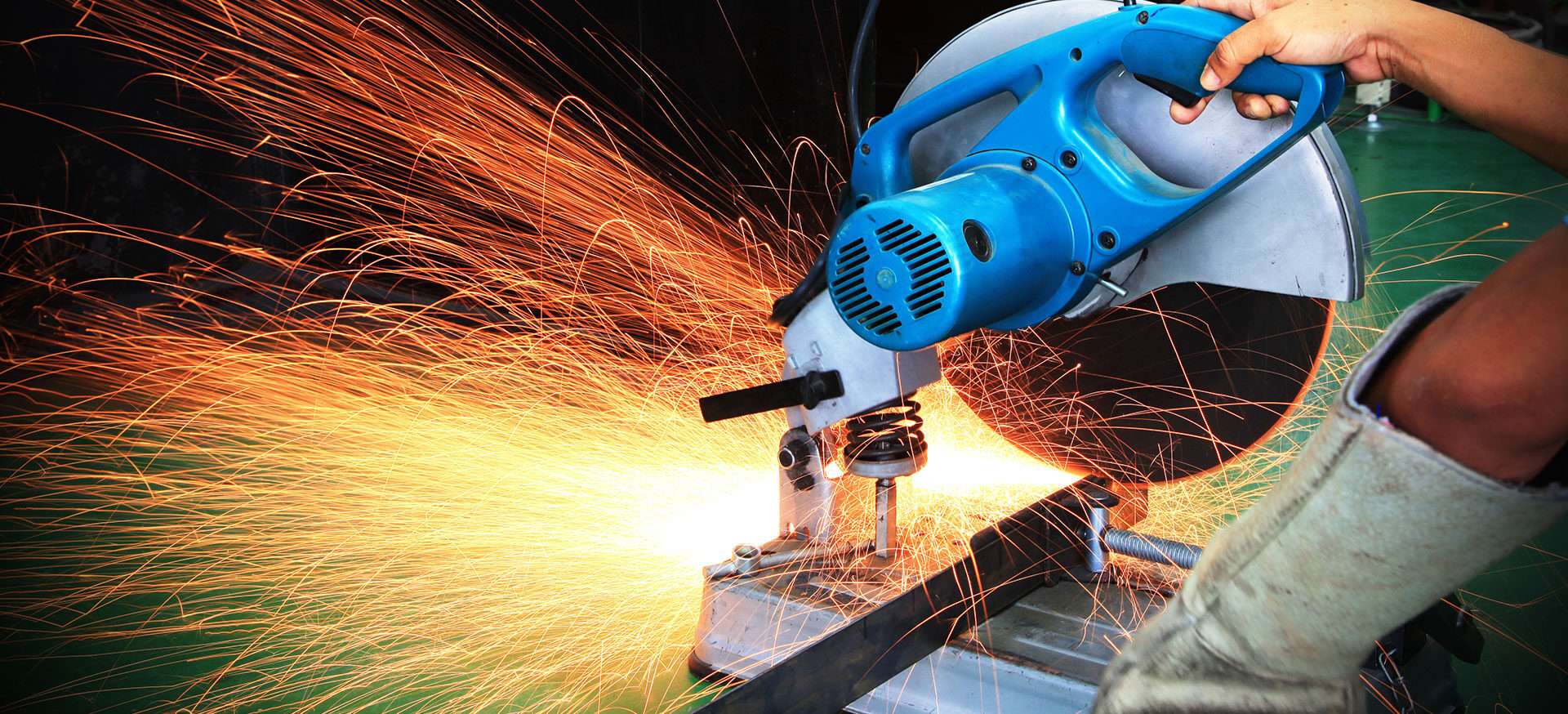
Dome Abrasives Catalogue
Stainless Steel Grinding Disc Solutions
Grinding discs for stainless steel are resin bonded abrasive wheels engineered to remove excess material, welds, burrs, and surface imperfections from stainless steel components. Unlike standard grinding wheels designed for carbon steel, these discs are purpose-built with contaminant‑free formulations and specialised abrasive grains to address the unique metallurgical challenges of stainless steel.
Why stainless steel requires dedicated grinding solutions. Grinding stainless steel presents four critical challenges that distinguish it from carbon steel grinding:
- Heat generation – Stainless steel has poor thermal conductivity. Heat concentrates at the grinding zone, and when temperatures exceed approximately 300–400°C, the chromium oxide passive layer breaks down, producing visible blue‑purple discolouration that damages corrosion resistance.
- Surface contamination – Standard grinding wheels contain iron particles that embed into stainless surfaces during grinding. These embedded particles rust over time, compromising the material‘s corrosion‑resistant properties.
- Material loading – Stainless steel’s high toughness and gummy nature cause swarf to adhere to abrasive grains—a condition known as “loading” or “clogging”—which reduces cutting efficiency and generates additional heat.
- Surface discolouration – Excessive heat during grinding leaves blue, gold, or rainbow‑toned oxidation marks that not only affect appearance but indicate permanent damage to the passive layer.
Applications across stainless steel fabrication. Stainless steel grinding discs are essential tools across multiple fabrication processes:
- Stainless steel fabrication – General stock removal, surface preparation, and finishing on fabricated components
- Weld grinding – Smoothing and blending weld seams on pipes, structural sections, and sheet assemblies
- Pipe grinding – Finishing welded pipe joints and preparing surfaces for coating or further processing
- Sheet metal grinding – Removing burrs, smoothing edges, and preparing sheet surfaces for bending or welding
- Edge preparation – Beveling and deburring cut edges for weld readiness and operator safety
- Surface preparation – Cleaning and conditioning surfaces before polishing, coating, or passivation
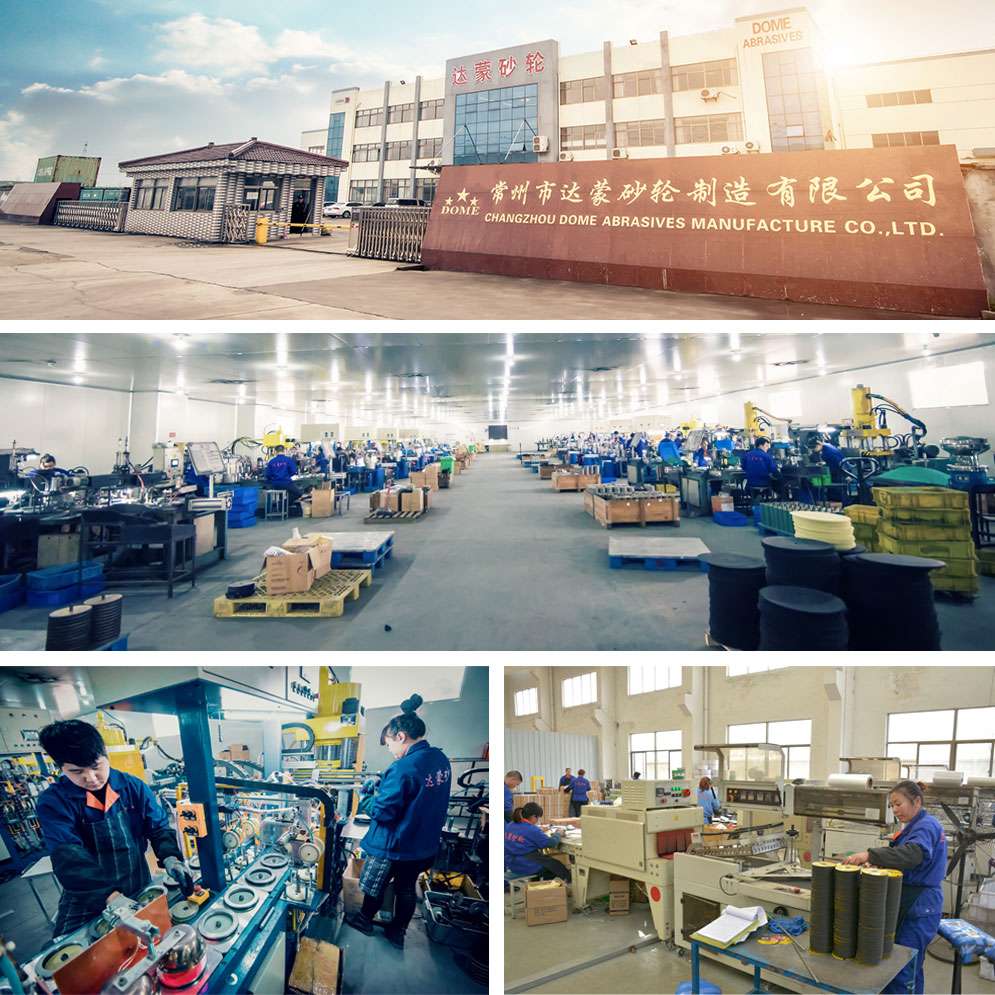
Why Dome. Dome Abrasive manufactures resin bonded grinding discs for stainless steel with over 26 years of industry experience. Our facility spans 20,000m² with 60 fully automated production lines, producing approximately 600,000 discs daily. We offer customised formulations—zirconia, ceramic, and aluminium oxide—with contaminant‑free, iron‑free compositions to preserve stainless steel‘s corrosion resistance. Full OEM and private label services are available, including custom sizes, abrasive formulations, colour matching, and branded packaging.
What Are Grinding Discs for Stainless Steel?
A grinding disc for stainless steel is a resin bonded abrasive wheel specifically formulated for grinding, blending, and finishing stainless steel workpieces. Unlike general‑purpose grinding wheels, these discs are engineered with contaminant‑free abrasives—typically containing less than 0.1% iron, sulphur, and chlorine—to prevent cross‑contamination that would compromise the material‘s corrosion resistance. They are available in a range of diameters (50–230mm) and thicknesses (3–8mm) to suit different angle grinder sizes and application requirements.
A stainless steel grinding disc is a composite structure of four interrelated components—abrasive grain, resin bond, fibreglass reinforcement, and wheel shape—each contributing to grinding efficiency, workpiece quality, and operator safety.
Abrasive Grain
The abrasive grain is the actual cutting element on the disc. As the wheel rotates at high speed, each exposed grain acts as a microscopic cutting tool, shearing away small chips of metal from the workpiece surface. The type of abrasive grain determines cutting speed, surface finish, and the materials the disc can handle effectively.
Three primary abrasive types are used in stainless steel grinding discs:
- Aluminium oxide – A durable, blocky grain that provides balanced cutting performance and long life. Suitable for general‑purpose stainless steel work, surface grinding, and weld cleaning.
- Zirconia alumina – A self‑sharpening grain that micro‑fractures under pressure, continuously exposing fresh cutting edges. It offers high toughness and significantly longer life than aluminium oxide on stainless steel, making it ideal for heavy‑duty grinding and high‑pressure applications.
- Ceramic alumina – The most advanced conventional abrasive, engineered for cool grinding and fast material removal on stainless steel. It generates less heat during grinding, preventing burn marks and discolouration on heat‑sensitive workpieces.
Resin Bond
The resin bond—typically a thermosetting phenolic resin—acts as the structural matrix that binds abrasive grains into a solid disc. The bond serves two critical functions:
- Holding abrasive grains – The bond retains grains firmly during cutting, providing the structural integrity needed for high‑speed operation.
- Controlling wear – The bond releases dull grains at a calibrated rate as they lose sharpness, exposing fresh grains beneath. This self‑sharpening mechanism maintains cutting efficiency throughout the disc‘s life.
The bond’s hardness determines the disc‘s grinding characteristics—softer bonds release grains faster for hard materials like stainless steel, while harder bonds retain grains longer for softer materials. The resin bond also contributes to cooler grinding by allowing controlled grain fracture rather than excessive friction.
Fibreglass Reinforcement
Embedded within the disc are multiple layers of fibreglass mesh, providing the tensile strength needed to withstand the immense centrifugal forces generated at high RPM. This reinforcement serves two essential purposes:
- Mechanical strength – The fibreglass acts like rebar in concrete, adding structural integrity that prevents the disc from shattering under its own rotational stress.
- Wheel stability – The reinforcement maintains the disc‘s shape and flatness during grinding, ensuring consistent contact with the workpiece and reducing vibration.
- Operator safety – Without fibreglass reinforcement, a resin bonded disc would be unsafe at high speed. This reinforcement is what allows stainless steel grinding discs to operate safely on angle grinders at speeds up to 13,300 RPM (115mm size). All Dome grinding discs are tested to EN12413 safety standards to verify structural integrity at maximum operating speed.
Wheel Shape
The Type 27 (T27) designation refers to a depressed centre grinding wheel. The depressed centre—a recessed area around the mounting hole—allows the clamping nut and flange to sit below the wheel‘s grinding face. This design feature is critical for angle grinder applications because it:
- Enables side grinding – The recessed centre allows the wheel to contact the workpiece at a 15–30° angle without interference from the mounting hardware, making it the standard shape for surface grinding on angle grinders.
- Improves visibility – The depressed centre provides better line‑of‑sight to the grinding area, allowing operators to work more precisely.
- Prevents hardware interference – The recess ensures that the nut and flange do not scratch or gouge the workpiece during angled grinding.
Type 27 is the most common shape for stainless steel grinding discs used with angle grinders, covering weld removal, surface preparation, and edge finishing applications. Type 1 (flat) wheels are also available for bench grinders and stationary machines where a flat profile is preferred.

Why Use Grinding Discs Designed for Stainless Steel?
Stainless steel is not carbon steel. It behaves differently under grinding pressure, responds differently to heat, and has different contamination risks. Using a general‑purpose grinding disc on stainless steel is not just inefficient—it can permanently damage the workpiece. Here is why dedicated stainless steel grinding discs are essential.
Controlled Heat
Stainless steel has poor thermal conductivity—approximately one‑third that of carbon steel. Heat generated during grinding does not dissipate quickly; it concentrates at the grinding zone. When temperatures exceed approximately 300–400°C, the chromium oxide passive layer breaks down, producing blue, gold, or rainbow‑toned discolouration. This is not just a cosmetic issue—it indicates permanent damage to the surface that compromises corrosion resistance.
Dedicated stainless steel grinding discs address this through three mechanisms:
- Abrasive selection – Zirconia and ceramic grains are engineered to micro‑fracture under pressure, exposing fresh cutting edges that remove material efficiently without generating excessive friction heat.
- Bond formulation – The resin bond is designed to release dull grains at the right moment, preventing the disc from glazing over and generating additional heat through friction.
- Grinding pressure optimisation – The disc‘s self‑sharpening action means operators can maintain moderate pressure while the abrasive does the work—reducing heat input without sacrificing material removal.
The result: stainless steel surfaces stay silver‑bright, with no discolouration and no need for post‑grinding rework.
Reduced Contamination
Cross‑contamination is one of the most overlooked risks in stainless steel grinding. Standard grinding wheels and cutting discs contain iron particles. When these wheels are used on stainless steel, the following occurs:
- Iron particles embed in the stainless surface during grinding.
- These embedded particles rust over time, breaking through the passive layer.
- The result is pitting corrosion—localised rust spots that compromise the material‘s integrity and appearance.
This is why stainless steel grinding requires dedicated INOX abrasive products with contaminant‑free formulations. True stainless steel grinding discs contain less than 0.1% iron, sulphur, and chlorine. This eliminates the risk of ferrous contamination and preserves the stainless steel‘s corrosion‑resistant properties throughout the product‘s service life. Using a dedicated disc for stainless steel is not a recommendation—it is a requirement for maintaining material integrity in food processing, pharmaceutical, marine, and architectural applications where corrosion resistance is critical.
Efficient Weld Removal
Welding stainless steel produces beads, seams, and excess material that must be removed before the component can be finished, painted, or put into service. Grinding is the most efficient method for removing weld metal—but only with the right abrasive.
General‑purpose grinding discs wear quickly on stainless steel welds, losing their cutting edges and generating excessive heat. Dedicated stainless steel grinding discs are formulated to:
- Cut weld metal efficiently – Zirconia and ceramic abrasives maintain their sharpness through the tough, work‑hardened material that forms around weld zones.
- Reduce post‑grinding finishing – The controlled cutting action leaves a smoother surface that requires less subsequent blending and polishing.
- Prevent weld zone contamination – The contaminant‑free formulation ensures that weld removal does not introduce iron particles that could compromise the weld‘s integrity or the surrounding material‘s corrosion resistance.
Whether grinding pipe welds, structural seams, or sheet metal joints, a dedicated stainless steel grinding disc removes weld material faster and with better surface quality than any general‑purpose alternative.
Consistent Grinding
Batch‑to‑batch inconsistency is a hidden cost in metal grinding. When abrasive distribution, bond hardness, or grain size varies from one disc to the next, operators must constantly adjust pressure, feed rate, and grinding time—reducing productivity and increasing scrap.
Dedicated stainless steel grinding discs are manufactured to tight tolerances to ensure consistent performance across every disc:
- Stable abrasive distribution – Automated batching and pressing processes ensure each disc contains the same uniform distribution of abrasive grains, eliminating weak spots or dense zones that cause uneven wear.
- Controlled wear – The resin bond‘s release rate is precisely calibrated so that grains wear at a predictable rate, extending service life and maintaining cutting efficiency from the first pass to the last.
- Consistent material removal – Operators can rely on the same material removal rate, same surface finish, and same grinding time from disc to disc.
This consistency translates directly to predictable grinding costs, fewer production delays, and reliable surface quality for the customer. For workshops and fabrication shops that value repeatability, stainless steel grinding discs with stable, controlled performance are the only choice.
Stainless Steel Grinding Discs
Select the right stainless steel grinding disc for your application. Use the filters below to refine your search by diameter, abrasive type, application, or wheel shape.

115mm Zirconia Grinding Disc for Stainless Steel
Specification: 115 × 6.0 × 22.23 mm
Abrasive: Zirconia Alumina
Application: Stainless Steel Weld Grinding & Surface Preparation
Machine: 4.5″ Angle Grinder
Zirconia alumina abrasive delivers self-sharpening performance on stainless steel, maintaining cutting efficiency under pressure while keeping grinding temperatures low to prevent discolouration on 304 and 316 grades. The Type 27 depressed centre design allows 15–30° side grinding for effective weld blending and surface smoothing. Reinforced with fibreglass mesh for high-speed safety. EN12413 certified.

125mm Zirconia Grinding Disc for Stainless Steel
Specification: 125 × 6.0 × 22.23 mm
Abrasive: Zirconia Alumina
Application: Stainless Steel Weld Grinding & Edge Preparation
Machine: 5″ Angle Grinder
The 125mm diameter offers approximately 18% more surface coverage than 115mm, making it ideal for longer weld seams and larger surface areas on stainless steel fabrication. Zirconia alumina grains micro-fracture under pressure, continuously exposing fresh cutting edges for consistent material removal. Iron-free formulation prevents cross-contamination and preserves corrosion resistance. Type 27 shape for angle grinder side grinding.

125mm Ceramic Grinding Disc for Stainless Steel
Specification: 125 × 6.0 × 22.23 mm
Abrasive: Ceramic Alumina
Application: Heavy Stainless Steel Grinding & High-Volume Material Removal
Machine: 5″ High-Power Angle Grinder
Ceramic alumina abrasive delivers the highest material removal rates on stainless steel. Engineered to micro-fracture at a microscopic level, it runs cooler than zirconia or aluminium oxide, preventing burn marks and discolouration on heat-sensitive stainless workpieces. Ideal for heavy grinding applications where productivity and extended wheel life are critical. Type 27 depressed centre for angle grinder use. EN12413 certified.

180mm Zirconia Grinding Disc for Stainless Steel
Specification: 180 × 6.0 × 22.23 mm
Abrasive: Zirconia Alumina
Application: Structural Stainless Steel Grinding & Heavy Weld Removal
Machine: 7″ High-Power Angle Grinder
The 180mm diameter delivers higher material removal rates for heavy stainless steel fabrication. Zirconia alumina abrasive maintains cutting efficiency under high pressure, with self-sharpening action that extends wheel life on tough stainless grades. Iron-free formulation prevents contamination. Suitable for structural stainless steel, pipe welding, and large fabrication projects. Type 27 shape for angle grinder side grinding.

230mm Zirconia Grinding Disc for Stainless Steel
Specification: 230 × 6.0 × 22.23 mm
Abrasive: Zirconia Alumina
Application: Heavy-Duty Stainless Steel Grinding & Large Structural Fabrication
Machine: 9″ Industrial Angle Grinder
The 230mm disc is the largest size for hand-held angle grinders, delivering maximum material removal for heavy-duty stainless steel grinding. Zirconia alumina abrasive provides long life and consistent cutting performance under continuous heavy pressure. Iron-free formulation prevents cross-contamination. Ideal for shipbuilding, heavy structural fabrication, and large-scale stainless steel projects. Type 27 depressed centre design. EN12413 certified. 100% RPM tested.
Abrasive Options for Stainless Steel Grinding
The abrasive grain is the single most important factor determining grinding performance on stainless steel. Different grains behave differently under pressure, heat, and contact with tough stainless alloys. Here is how the three main options compare.

Aluminum Oxide Grinding Discs
Aluminum oxide grinding discs provide a cost‑effective entry point for general stainless steel grinding and fabrication work. Aluminium oxide is the most common abrasive grain used in grinding discs, offering reliable and affordable performance for light to medium material removal.
Best for: General‑purpose grinding, surface finishing, light weld cleaning, and maintenance work on stainless steel components where extreme material removal rates are not required.
Key advantages:
- Cost‑effective – Lower cost per disc makes aluminium oxide the economical choice for workshops with moderate stainless steel grinding volumes
- Stable performance – Consistent cutting action across the disc’s service life
- Widely available – Standard grain type available in most diameters and thicknesses
Aluminium oxide discs are suitable for grinding common stainless steel grades including 304 and 316, making them a practical option for general fabrication, kitchen equipment manufacturing, and light structural work.

Zirconia Grinding Discs for Stainless Steel
Zirconia grinding discs are the preferred choice for most stainless steel grinding applications. Zirconia alumina is a tougher, self‑sharpening grain that micro‑fractures under pressure, continuously exposing fresh cutting edges. This self‑sharpening action maintains cutting efficiency throughout the disc’s life, making zirconia ideal for heavy‑duty stainless steel work.
Best for: Weld grinding, aggressive material removal, structural stainless steel fabrication, pipe grinding, and any application where productivity and extended wheel life matter.
Key advantages:
- Aggressive material removal – Self‑sharpening grains maintain cutting speed under high pressure, delivering faster stock removal than aluminium oxide
- Long service life – Zirconia discs typically outlast aluminium oxide by 2–3× on stainless steel applications
- Heat‑resistant – The self‑sharpening action reduces friction heat, minimising the risk of workpiece discolouration
- Iron‑free formulation – Available with low‑iron or iron‑free compositions to prevent cross‑contamination on stainless surfaces
Zirconia grinding discs are the workhorse choice for professional stainless steel fabrication, weld removal, and surface preparation across 304 and 316 stainless grades.

Ceramic Grinding Discs for Stainless Steel
Ceramic grinding discs represent the highest tier of abrasive performance for stainless steel. Ceramic alumina grains are engineered to micro‑fracture at a microscopic level, maintaining sharp cutting points throughout the disc’s life. This delivers the fastest cut rate and longest service life of any conventional abrasive, making ceramic the choice for demanding production environments.
Best for: High‑performance grinding, heavy material removal, production environments, and demanding stainless steel applications where downtime is expensive.
Key advantages:
- Fastest material removal – Ceramic delivers the highest cut rates on stainless steel, reducing grinding time per workpiece
- Coolest operation – Engineered to run cooler than zirconia or aluminium oxide, preventing burn marks and discolouration on heat‑sensitive stainless surfaces
- Longest service life – Ceramic discs last significantly longer, reducing disc changes and downtime
- Self‑sharpening – Micro‑fracturing action continuously exposes fresh cutting edges
Ceramic grinding discs are the professional choice for high‑volume stainless steel fabrication, heavy weld removal, and applications where productivity and surface quality are critical.
Grinding Discs for Different Stainless Steel Grades
Different stainless steel grades have distinct compositions, corrosion resistance levels, and welding characteristics. While most grinding discs are suitable for multiple grades, understanding the differences helps in selecting the right disc for the specific application.
304 Stainless Steel
304 stainless steel is the most widely used austenitic stainless steel grade. With a typical composition of 18% chromium and 8% nickel, it offers an excellent balance of corrosion resistance, formability, and affordability. Grade 304 is known for its good corrosion resistance and is widely used in less aggressive environments. It is commonly employed in:
- General stainless steel fabrication
- Kitchen equipment and food processing machinery
- Pipes and tubing systems
- Sheet metal work across industries ranging from architecture to industrial decoration
- Tableware and indoor/outdoor applications
Suitable abrasive: Zirconia alumina for most grinding applications, or aluminium oxide for lighter work.
Grinding considerations: 304 stainless steel has relatively good formability but can work‑harden during grinding if excessive heat is generated. Using a self‑sharpening abrasive like zirconia or ceramic helps maintain cutting efficiency while keeping grinding temperatures under control. These discs are suitable for general‑purpose stainless steel grinding applications, including chamfering, welding seam preparation, weld levelling, edge breaking, and deburring.
Typical applications: Kitchen equipment, food processing machinery, architectural panels, tubing, and general fabrication work.
316 Stainless Steel
316 stainless steel is a molybdenum‑bearing austenitic grade with enhanced corrosion resistance compared to 304. The addition of molybdenum (typically 2–3%) significantly improves resistance to pitting and crevice corrosion, particularly in chloride environments. This makes 316 the preferred choice for more demanding applications where exposure to chemicals, saltwater, or high temperatures is expected.
Suitable abrasive: Zirconia alumina or ceramic alumina. The higher alloy content makes 316 slightly more challenging to grind than 304, favouring self‑sharpening abrasives that maintain cutting efficiency under pressure.
Grinding considerations: 316 stainless steel has lower thermal conductivity than carbon steel, making heat management critical during grinding. Research indicates that cryogenic cooling can reduce grinding temperatures by 45–49% on 316 stainless steel, highlighting the importance of heat control in the grinding process. Ceramic and zirconia abrasives run cooler than aluminium oxide, reducing the risk of discolouration and surface damage. These discs are recommended for grinding AISI 316 as well as 304 and 316L grades.
Typical applications: Marine equipment and hardware, chemical processing equipment, pharmaceutical machinery, heat exchangers, coastal infrastructure, and industrial components exposed to corrosive environments.
316L Stainless Steel
316L stainless steel is the low‑carbon version of 316, with a maximum carbon content of 0.03% compared to 0.08% for standard 316. This reduced carbon level minimises carbide precipitation during welding, preserving corrosion resistance in the heat‑affected zone. The low carbon content also reduces susceptibility to carbide precipitation during welding, making 316L particularly suitable for welded constructions where post‑weld corrosion resistance is critical.
Suitable abrasive: Zirconia alumina or ceramic alumina, with iron‑free or low‑iron formulations recommended to prevent cross‑contamination.
Grinding considerations: 316L exhibits similar grinding behaviour to standard 316, with the same heat‑sensitivity considerations applying. The low‑carbon formulation does not significantly change grinding characteristics, but the same heat‑management principles remain important. These discs are suitable for grinding AISI 316L as well as 304 and 316 grades. Using an iron‑free or low‑iron grinding disc is particularly recommended to prevent cross‑contamination that could compromise corrosion resistance in service.
Typical applications: Welding applications where post‑weld corrosion resistance is critical; pipe fabrication and welded pipe systems; pressure vessels and pressure equipment; pharmaceutical and food processing equipment; and offshore structures where carbide precipitation during welding must be minimised.
Stainless Steel Grinding Disc Sizes
Selecting the right disc diameter is the first step to efficient stainless steel grinding. Each size is matched to a specific angle grinder class and application range—from light finishing on small components to heavy material removal on large structural fabrications.

100mm / 4 Inch Stainless Steel Grinding Disc
Suitable Machine: 4″ Compact Angle Grinder
Best for: Light grinding, tight‑space work, small component finishing, and precision surface preparation on stainless steel parts where larger discs cannot reach.
The 100mm (4″) disc is the smallest mainstream grinding disc size, designed for compact 4‑inch angle grinders typically rated between 5–7 amps. Its small diameter makes the machine lightweight and highly manoeuvrable, ideal for one‑handed operation in confined spaces. Common specifications include 100 × 6.0 × 16mm (diameter × thickness × bore). The 4‑inch disc is perfect for right‑angle grinders in both grinding and finishing operations on stainless steel, cast iron, and sheet metal. It is particularly useful for detail work, edge smoothing, and light deburring on small stainless steel fabrications where larger discs cannot reach.

115mm / 4.5 Inch Stainless Steel Grinding Disc
Suitable Machine: 4.5″ Standard Angle Grinder
Best for: General stainless steel fabrication, weld grinding, surface preparation, and workshop grinding tasks.
The 115mm (4.5″) disc is the most widely used grinding disc size globally. Fits 4.5″ standard angle grinders with a 22.23mm (7/8″) bore and typically 6mm thickness. It offers the best balance of control, material removal, and machine weight for workshop fabrication, making it the standard choice for most stainless steel grinding applications. The 4.5‑inch disc effectively removes weld beads and blends welded joints for a seamless finish on stainless steel, and is ideal for weld leveling, deburring, and edge chamfering. For workshops that handle a mix of light and medium stainless steel work, the 115mm size is the most practical all‑rounder.

125mm / 5 Inch Stainless Steel Grinding Disc
Suitable Machine: 5″ Angle Grinder
Best for: Heavy stainless steel fabrication, weld grinding, edge preparation, and larger surface area work.
The 125mm (5″) disc offers approximately 18% more surface coverage than 115mm, delivering higher material removal per pass while maintaining good manoeuvrability. Common specification: 125 × 6.0 × 22.23mm. The 5‑inch disc is the mainstream size in North American markets and is increasingly popular globally for stainless steel fabrication where higher stock removal rates are required. The 125×6mm disc covers more surface area per rotation, reducing grinding time by up to 25% compared to 115mm on large flat surfaces and long weld seams. Designed for portable grinding applications, particularly for weld grinding and notching on stainless steel. For fabricators working on larger stainless steel assemblies, the 125mm disc delivers a noticeable productivity gain.

180mm / 7 Inch Stainless Steel Grinding Disc
Suitable Machine: 7″ High‑Power Angle Grinder
Best for: Structural stainless steel grinding, heavy weld removal, and large‑scale fabrication projects.
The 180mm (7″) disc delivers significantly higher material removal rates than smaller sizes, making it the entry point for heavy‑duty stainless steel grinding. Designed for 7″ high‑power angle grinders (1500–2000W) with 22.23mm bore and a maximum operating speed of 80 m/s. Common specification: 180 × 6.0 × 22.23mm. The 180mm disc represents the upper limit of portable grinding power, engineered for severe material removal on large surface areas, thick welds, and heavy castings where smaller discs would require excessive time or multiple discs. Suitable for medium to heavy stainless steel work and large stainless steel surfaces. For shipyards and heavy fabrication shops, the 180mm disc is the go‑to for structural stainless steel grinding.

230mm / 9 Inch Stainless Steel Grinding Disc
Suitable Machine: 9″ Industrial Angle Grinder
Best for: Heavy‑duty stainless steel grinding, shipbuilding, large structural fabrication, and maximum stock removal.
The 230mm (9″) disc is the largest size for hand‑held angle grinders, delivering the highest material removal rates available in a portable tool. Designed for 9″ industrial‑grade angle grinders (2000–2600W) with a 22.23mm (7/8″) bore and maximum operating speed of 6,600 RPM. Common specification: 230 × 6.0 × 22.23mm. The 9‑inch disc is engineered for high‑performance stock removal, aggressive grinding, and deburring on stainless steel and other metals. It is the professional choice for heavy‑duty stainless steel grinding in shipbuilding, large‑scale fabrication, and industrial maintenance. For the most demanding stainless steel grinding tasks, the 230mm disc delivers maximum productivity with fewer passes.
Size Selection Reference Table
| Disc Size | Inch | Machine | Typical Application |
|---|---|---|---|
| 100mm | 4″ | Compact Angle Grinder | Light grinding, tight spaces, small components |
| 115mm | 4.5″ | Standard Angle Grinder | General fabrication, weld grinding, surface prep |
| 125mm | 5″ | Angle Grinder | Heavy fabrication, weld grinding, edge prep |
| 180mm | 7″ | High‑Power Angle Grinder | Structural grinding, heavy weld removal |
| 230mm | 9″ | Industrial Angle Grinder | Heavy‑duty grinding, shipbuilding, large fabrication |
Core principle: Match the disc diameter to your angle grinder’s guard size. Larger discs deliver higher material removal rates but require more powerful machines and are heavier to handle. Choose the smallest disc that meets your grinding requirements for better control and reduced operator fatigue.
Stainless Steel Grinding Disc Applications
Stainless steel grinding discs are essential tools across multiple industries. Below are eight key applications where the right grinding disc makes a significant difference in productivity, surface quality, and operational cost.

Stainless Steel Fabrication
In stainless steel fabrication, grinding discs are used daily for weld preparation, surface conditioning, and finishing work on fabricated components. After cutting and welding, excess material, weld spatter, and sharp edges must be removed before the component moves to painting, coating, or assembly. Grinding discs prepare surfaces for subsequent operations—removing mill scale, smoothing cut edges, and creating clean profiles for welding. The right disc reduces the need for secondary finishing, improving workflow efficiency across structural sections, sheet metal assemblies, and custom fabrications.
Recommended: 125mm Zirconia Grinding Disc

Weld Grinding
Weld grinding is one of the most common and demanding applications for stainless steel grinding discs. After welding stainless steel components, weld beads and seams must be ground flush with the surrounding material to create a smooth, uniform surface. This involves removing the weld cap, blending the joint, and preparing the surface for finishing or coating. Stainless steel weld grinding requires discs that remove material efficiently without generating excessive heat—heat causes blue/black discolouration and damages the passive layer. Zirconia and ceramic abrasives maintain cutting efficiency under pressure while keeping temperatures controlled.
Recommended: 125mm Zirconia Grinding Disc

Stainless Steel Pipe Grinding
Pipe grinding is a specialised application in pipeline construction, tank fabrication, and structural piping. Grinding discs are used for weld seam preparation, smoothing circumferential and longitudinal welds, and finishing pipe surfaces. On pipe systems, grinding prepares V-groove welds before welding, removes weld spatter, and blends welded joints for a smooth finish. The disc must follow the pipe’s curved surface without gouging or creating flat spots. For large-diameter pipes and heavy-wall tubing, the 180mm or 230mm size delivers the coverage and power needed for efficient material removal.
Recommended: 180mm Zirconia Grinding Disc

Sheet Metal Grinding
Sheet metal grinding requires precision and heat control. Stainless steel sheet—particularly in thicknesses under 3mm—is susceptible to warping, distortion, and burn-through if excessive heat is generated during grinding. Grinding discs are used to remove burrs from cut edges, smooth laser-cut or sheared edges, and prepare sheet surfaces for bending or welding. The thin profile of sheet metal demands a disc that cuts efficiently with minimal pressure and low heat generation. The 115mm or 125mm size offers the control and manoeuvrability needed for sheet metal work.
Recommended: 115mm Zirconia Grinding Disc

Edge Grinding
Edge grinding covers beveling, chamfering, deburring, and edge finishing on stainless steel components. After cutting or shearing, stainless steel edges are sharp and may have burrs that need removal for safety and assembly. Edge preparation for welding requires precise bevels and chamfers to ensure proper weld penetration and joint strength. Edge grinding also smooths raw cut edges on plates, bars, and profiles before coating or further processing. The disc must maintain a stable cutting action without chipping or overheating the edge.
Recommended: 125mm Zirconia Grinding Disc

Shipbuilding
Shipbuilding is one of the most demanding applications for stainless steel grinding discs. Shipyards work with high-tensile stainless steel plates, thick weld seams, and large structural components that require aggressive material removal. Grinding discs are used for weld seam smoothing, plate edge beveling, surface preparation before coating, and removing weld spatter from hull sections. The 230mm size is the preferred choice for heavy-duty grinding on hull plates and large structural sections. Shipbuilding applications demand discs with high material removal rates, extended service life, and low vibration to reduce operator fatigue during extended shifts.
Recommended: 230mm Zirconia Grinding Disc

Automotive
The automotive sector uses grinding discs extensively in both manufacturing and repair workshops. Applications include stainless steel exhaust system grinding, metal component finishing, rust removal, and surface preparation. In collision repair, grinding discs level welds on replacement panels and prepare surfaces for body filler and painting. For exhaust system repairs—particularly on stainless steel components—specialised grinding discs prevent heat-induced discolouration and contamination. The 115mm and 125mm sizes are most common in automotive work, offering good manoeuvrability and control.
Recommended: 115mm Zirconia Grinding Disc

Food Equipment
Food equipment manufacturing demands the highest standards of surface quality and contamination control. Stainless steel grinding discs used in food processing equipment must be iron-, chlorine-, and sulphur-free to meet hygienic manufacturing standards. Grinding applications include weld seam smoothing, surface conditioning, and deburring on mixers, tanks, conveyors, and processing machinery. Contamination from grinding is not acceptable in food equipment—iron particles embedded in the surface can rust and compromise hygiene. Iron-free zirconia discs preserve the stainless steel’s corrosion resistance and ensure surfaces meet food-grade finish requirements.
Recommended: 125mm Zirconia Grinding Disc (Iron-Free)
Stainless Steel Grinding Disc Specifications
Below is the complete technical specification table for Dome stainless steel grinding discs. All parameters are listed with options and notes to help you select the right disc for your application.
| Parameter | Specification |
|---|---|
| Product Type | Resin Bonded Grinding Disc |
| Application | Stainless Steel Grinding – weld removal, surface preparation, edge finishing, and material removal on 304, 316, and 316L stainless steel grades |
| Abrasive | Aluminum Oxide / Zirconia Alumina / Ceramic Alumina – selected based on required material removal rate, surface finish, and grinding pressure |
| Bond | Resin Bonded (Phenolic) – thermosetting resin matrix that provides controlled grain retention and self‑sharpening properties |
| Reinforcement | Fiberglass Mesh – multiple embedded layers providing tensile strength and structural integrity at high rotational speeds |
| Diameter | 50mm – 230mm (2″ – 9″) for angle grinders; larger diameters available for stationary machines upon request |
| Thickness | 3mm – 8mm – thinner discs (3–4mm) for finishing and light work; thicker discs (6–8mm) for heavy material removal and extended service life |
| Bore Size | 10mm / 16mm / 22.23mm (7/8″) / Custom – must match your angle grinder’s spindle size |
| Shape | Type 27 (Depressed Center) – standard for angle grinder side grinding |
| Maximum RPM | Product specific – Always check the disc label; never exceed the rated maximum RPM |
| Maximum Speed | 80 m/s (standard for resin bonded discs; always verify specific product rating) |
| Machine | Angle Grinder (100–230mm) / Stationary Grinding Machine (larger diameters) |
| Hardness Grade | Soft / Medium / Hard – selected based on workpiece material and grinding pressure requirements |
| Grit Size | 16# – 120# – coarse grits (16–36#) for heavy material removal; medium grits (46–60#) for general fabrication; fine grits (60–120#) for finishing |
| Iron Content | Fe < 0.1% (iron‑free formulation) – prevents cross‑contamination and preserves stainless steel corrosion resistance |
| Certification | EN12413 – European safety standard for bonded abrasive products |
| OEM Customisation | Available – custom abrasive formulations, disc dimensions, colour matching, label design, and branded packaging |
Ordering information: Standard products are available in popular sizes from stock. Custom specifications — including abrasive type, hardness grade, grit size, dimensions, colour, and packaging — are available for OEM and wholesale orders. Contact our sales team with your requirements.
How to Choose the Right Grinding Disc for Stainless Steel
Selecting the correct grinding disc for stainless steel directly affects grinding efficiency, surface quality, and wheel life. The choice comes down to four steps: identifying the stainless steel grade, defining the grinding task, choosing the abrasive type, and selecting the right disc size.
Step 1 — Identify the Stainless Steel Grade
Different stainless steel grades have different compositions, hardness levels, and grinding characteristics. Identifying the grade you are working with helps determine the appropriate abrasive and grinding approach.
| Grade | Key Characteristics | Typical Applications |
|---|---|---|
| 304 | Most common austenitic grade. 18% chromium, 8% nickel. Good formability and corrosion resistance. Can work‑harden if overheated. | Kitchen equipment, pipes, sheet metal, general fabrication |
| 316 | Molybdenum‑bearing grade. Enhanced corrosion resistance, particularly in chloride environments. Slightly more challenging to grind than 304. | Marine equipment, chemical processing, coastal infrastructure |
| 316L | Low‑carbon version of 316. Improved weldability and resistance to intergranular corrosion. Same grinding behaviour as 316. | Welded constructions, pressure vessels, pharmaceutical equipment |
For most stainless steel grinding applications, zirconia or ceramic abrasives are recommended across all three grades. Aluminium oxide may be suitable for light work on 304 where cost is a primary consideration.
Step 2 — Identify the Grinding Task
The grinding task determines the required disc thickness, grit size, and abrasive type. Different tasks place different demands on the disc.
| Task | Description | Recommended Thickness | Recommended Grit |
|---|---|---|---|
| Weld Removal | Grinding down weld beads and blending weld seams flush with the surrounding surface. Requires aggressive material removal and controlled heat generation. | 6–8mm | 24–36# |
| Heavy Grinding | High‑pressure material removal on thick plates, structural sections, and large fabrications. Demands maximum stock removal and extended wheel life. | 6–8mm | 24–36# |
| Surface Preparation | Removing mill scale, oxidation, and surface imperfections before coating or further processing. Requires consistent material removal with good surface finish. | 6mm | 36–46# |
| Edge Grinding | Beveling, chamfering, and deburring cut edges. Requires precise control and stable cutting action without chipping or overheating the edge. | 4–6mm | 46–60# |
For general fabrication work covering multiple tasks, a 6mm thickness with medium grit (36–46#) offers the most versatile combination.
Step 3 — Choose the Abrasive
The abrasive grain determines how the disc performs on stainless steel. Each type has a specific role.
| Abrasive | Best For | Key Advantage |
|---|---|---|
| Aluminum Oxide | General grinding, surface finishing, light weld cleaning | Cost-effective, stable performance, good for moderate stainless steel grinding volumes |
| Zirconia | Heavy grinding, weld removal, structural fabrication | Self-sharpening, 2–3× longer life than aluminium oxide, aggressive material removal, low heat generation |
| Ceramic | High-performance grinding, production environments, heavy material removal | Fastest cut rate, coolest operation, longest service life, ideal for demanding applications |
Selection logic: Choose aluminium oxide for cost-effective general-purpose grinding; choose zirconia for most professional stainless steel work where productivity matters; choose ceramic for production environments where downtime is expensive and performance is critical.
Step 4 — Choose the Disc Size
The disc diameter must match your angle grinder’s guard size. Larger discs deliver higher material removal rates but require more powerful machines and are heavier to handle.
| Disc Size | Inch | Machine | Best For |
|---|---|---|---|
| 100mm | 4″ | Compact Angle Grinder | Light grinding, tight spaces, small components, detail work |
| 115mm | 4.5″ | Standard Angle Grinder | General fabrication, weld grinding, surface prep – the most common workshop size |
| 125mm | 5″ | Angle Grinder | Heavy fabrication, longer weld seams, larger surface areas – offers 18% more coverage than 115mm |
| 180mm | 7″ | High‑Power Angle Grinder | Structural grinding, heavy weld removal, large‑scale fabrication projects |
| 230mm | 9″ | Industrial Angle Grinder | Heavy‑duty grinding, shipbuilding, maximum stock removal on large structural sections |
Core principle: Choose the smallest disc that meets your grinding requirements for better control and reduced operator fatigue, while ensuring adequate material removal for the task. Always match the disc diameter to your angle grinder’s guard size and bore to the spindle size (16mm or 22.23mm).
Zirconia vs Ceramic vs Aluminum Oxide Grinding Discs
The abrasive grain is the single most important factor determining grinding performance on stainless steel. Each abrasive type offers a distinct balance of material removal rate, service life, heat generation, and cost. The table below compares the three main options across key performance dimensions.
| Feature | Aluminum Oxide | Zirconia | Ceramic |
|---|---|---|---|
| Stainless Steel Suitability | Good | Excellent | Excellent |
| Material Removal Rate | Medium | High | Very High |
| Service Life | Medium | High | Very High |
| Grinding Aggressiveness | Medium | High | Very High |
| Heat Generation | Medium–High | Low–Medium | Low |
| Iron‑Free Formulation | Optional | Standard | Standard |
| Cost | Low | Medium | High |
| Recommended Use | General Grinding, Light Work, Cost‑Sensitive Applications | Weld Removal, Heavy Grinding, Structural Fabrication | High‑Performance Grinding, Production Environments, Demanding Applications |
Which Abrasive Should You Choose?
For general stainless steel grinding where cost is a primary consideration, aluminium oxide delivers reliable performance on light to medium work at an economical price point.
For weld removal, heavy grinding, and structural stainless steel fabrication, zirconia offers the best balance of performance and value—its self-sharpening action delivers faster stock removal and longer service life than aluminium oxide.
For high‑volume production, demanding applications, and maximum productivity, ceramic is the premium choice—it runs cooler, cuts faster, and lasts longer than any other abrasive.
For most stainless steel grinding applications, zirconia offers the best balance of performance, life, and cost.
Grinding Disc vs Cutting Disc for Stainless Steel
Grinding discs and cutting discs are often confused, but they serve fundamentally different purposes. Using a cutting disc for grinding—or a grinding disc for cutting—is inefficient at best and dangerous at worst. Here is how they compare.
| Feature | Grinding Disc | Cutting Disc |
|---|---|---|
| Primary Purpose | Grinding, material removal, surface finishing | Cutting, parting off, slotting |
| Main Operation | Material Removal – abrading surface layers | Material Separation – slicing through material |
| Disc Thickness | 3–8mm (thicker, rigid body) | 1.0–3.0mm (thin, narrow kerf) |
| Weld Grinding | Yes – designed for weld bead removal and blending | No – disc will flex and shatter under side load |
| Surface Grinding | Yes – designed for side grinding at 15–30° angles | No – cutting discs are for edge-only cutting |
| Cutting Metal | No – grinding discs are not designed for parting off | Yes – designed for straight cutting through metal |
| Side Pressure Resistance | Yes – reinforced for lateral forces | No – thin discs cannot withstand side pressure |
Which One Do You Need?
Grinding discs are the right choice when you need to remove material from a surface—grinding down welds, smoothing edges, removing rust, or preparing surfaces for coating. They are thicker, reinforced for side pressure, and designed to be used at an angle against the workpiece.
Cutting discs are the right choice when you need to separate material—cutting pipe, bar stock, sheet metal, or structural sections. They are thinner, designed for straight edge‑only cutting, and cannot withstand side pressure.
Important Safety Note
Grinding discs and cutting discs are designed for different operations. A cutting disc should not be used for side grinding unless specifically designed and approved for that application. Cutting discs are thin and not reinforced for lateral forces—using one for grinding can cause the disc to flex, crack, and shatter at high speed, leading to serious injury. Always use the correct disc type for your task.
How Stainless Steel Grinding Discs Are Used
Stainless steel grinding discs are essential throughout the metalworking process—from the moment a weld is completed to the final surface finish. The following visual flow illustrates the typical sequence of operations where grinding discs are applied in stainless steel fabrication.
1. Weld Bead Formation
After welding stainless steel components, excess weld metal forms a raised bead along the joint. This bead must be removed or blended to create a smooth, uniform surface. The weld zone is also subject to heat‑affected zone discolouration and potential carbide precipitation.
2. Grinding Disc Application
A stainless steel grinding disc is applied to remove the weld bead and blend the joint. The disc must cut efficiently without generating excessive heat—heat causes blue/black discolouration and damages the passive layer. Zirconia or ceramic abrasives are typically used for this stage, offering self‑sharpening performance that maintains cutting efficiency under pressure.
3. Surface Preparation
After weld removal, the surface is prepared for further processing. This includes removing mill scale, oxidation, and any surface imperfections left from the grinding stage. Surface preparation ensures proper adhesion for subsequent coating, painting, or passivation. A medium grit disc (36–46#) is typically used for this stage.
4. Finishing / Edge Work
The final stage involves deburring cut edges, chamfering, edge smoothing, and achieving the desired surface finish. This stage may use a finer grit disc (46–60#) or a finishing disc depending on the required surface quality. Edge work improves safety, prepares components for assembly, and ensures the final product meets specifications.
5. Component Ready for Service
After grinding, surface preparation, and finishing, the stainless steel component is ready for coating, painting, assembly, or direct use. The grinding disc has played a critical role in every stage of the process—from weld removal to final finish.
OEM Stainless Steel Grinding Disc Manufacturer
As an OEM stainless steel grinding disc manufacturer with 26 years of experience in the abrasives industry, Dome delivers fully customised grinding solutions for global distributors, tool brands, and industrial suppliers. Our 20,000m² facility operates 60 automated production lines, producing approximately 600,000 discs daily with thickness tolerance ±0.1mm. Every disc undergoes 100% RPM testing before shipment, with EN12413 and MPA certifications ensuring safety compliance across global markets.
We don’t just change labels—we engineer abrasive formulations, adjust bond hardness, and design packaging from the ground up to match your brand and market requirements.
Custom Abrasive Formulation
Grinding performance starts with the abrasive formulation. We adjust the abrasive blend, resin bond hardness, and additive package based on four key factors:
| Factor | Customisation Parameters |
|---|---|
| Material | 304 stainless steel, 316 stainless steel, 316L, carbon steel, alloy steel |
| Grinding Intensity | Light finishing, medium stock removal, heavy weld grinding |
| Application | Weld removal, surface preparation, edge finishing, heavy grinding |
| Target Market | General fabrication, food equipment, marine, automotive, construction |
Our formulation freedom includes zirconia alumina for stainless steel applications, ceramic alumina for high-performance grinding, and aluminium oxide for cost-effective solutions. For stainless steel grinding, our low-iron formulation (Fe + S + Cl < 0.1%) prevents cross-contamination and preserves corrosion resistance. We also support custom grit sizes (16# to 120#) and hardness grades (soft, medium, hard) to match your specific grinding conditions.
Custom Sizes
We manufacture stainless steel grinding discs in a comprehensive range of diameters and thicknesses:
| Diameter | Inch Equivalent | Typical Thickness | Machine Compatibility |
|---|---|---|---|
| 100mm | 4″ | 3–8mm | Compact angle grinder (5–7A) |
| 115mm | 4.5″ | 3–8mm | Standard angle grinder (7–9A) |
| 125mm | 5″ | 3–8mm | Angle grinder (9–12A) |
| 150mm | 6″ | 3–8mm | Medium angle grinder |
| 180mm | 7″ | 3–8mm | High-power angle grinder (15A+) |
| 230mm | 9″ | 3–8mm | Industrial angle grinder (2000W+) |
Custom bore sizes (16mm, 22.23mm, or other specifications) are available to match your grinder’s spindle. Thickness options range from 3mm to 8mm, with 6mm as the standard general-purpose thickness. Non-standard diameters and thicknesses are also supported for specialised applications. All dimensions are manufactured with a thickness tolerance of ±0.1mm.
Private Label & Branding
We provide complete private label services to help you build your own brand identity:
| Customisation Element | Options |
|---|---|
| Disc Colour | Match your brand VI colour scheme |
| Disc Labelling | Brand name, logo, product code, material symbols, grit size, safety markings, barcodes |
| Safety Markings | Maximum RPM, EN12413, MPA, CE, and other certification symbols |
| Inner Packaging | Shrink-wrap, colour boxes, display cartons, blister trays |
| Outer Packaging | Branded export cartons with custom printing |
We handle everything from label design and printing to packaging production. Whether you need a simple logo print or a complete brand transformation with custom colours and premium packaging, we deliver a consistent, professional brand presentation across every disc and every carton.
OEM Manufacturing Process
We follow a structured process from initial concept to final delivery. Here is how we bring your custom stainless steel grinding disc from an idea to a finished product.
1. Requirement Gathering – You provide your target market, stainless steel grades (304/316/316L), grinding applications, annual volume, and certification requirements (EN12413, MPA, CE). We assess feasibility and recommend an initial abrasive and specification direction.
2. Formula Development – Based on your requirements, we develop a custom abrasive formulation—adjusting abrasive type (zirconia/ceramic/aluminium oxide), bond hardness, grit size, and additive package. This is where “label-change” OEM ends and true custom manufacturing begins.
3. Sample Production – We produce samples (typically within 3–5 days) with preliminary test data covering dimensional accuracy, hardness, dynamic balance, and cutting performance. Multiple variations can be provided for comparison.
4. Performance Testing – You test samples on your own equipment—verifying grinding efficiency, service life, surface quality, and heat generation under your actual working conditions. We move to mass production only after you approve performance.
5. Mass Production – After sample approval, we scale up to full production. Automated pressing and curing lines, climate-controlled workshops (20–30°C, 40–50% humidity), and in-line inspection systems ensure batch-to-batch consistency matches the approved samples.
6. Quality Inspection – Every batch undergoes dimensional inspection, hardness testing, dynamic balance testing, and sample burst testing (EN12413: burst speed ≥ 1.5× rated maximum RPM). Every disc is individually 100% RPM tested before shipment.
7. Packaging – Finished discs are individually shrink-wrapped, labelled with your brand design, and packed into custom-printed cartons. Outer cartons include batch numbers and traceability data.
8. Shipment – Orders are consolidated and shipped with a COA (Certificate of Analysis) covering key test data. Standard lead time: approximately 30 days from order confirmation. Rush orders available upon request.
How We Manufacture Stainless Steel Grinding Discs
Every Dome stainless steel grinding disc begins as raw materials and passes through a controlled manufacturing process before it reaches your workshop. Each step is designed to ensure consistent quality, reliable performance, and safety at high operating speeds. Here is how we make them.

01 Raw Material Inspection
Quality starts before production begins. Every batch of incoming raw materials undergoes inspection before entering the production line. Abrasive grains are tested for particle size distribution and chemical composition. Resin binders are checked for viscosity and solid content. Fibreglass reinforcement mesh is tested for tensile strength. Only materials that pass inspection are approved for production. Rejected materials are returned or recycled. This first step ensures that every disc starts with materials that meet specification.


02 Abrasive Mixing
Approved raw materials are weighed according to the prescribed formula and loaded into automated mixing equipment. Abrasive grains, resin binders, fillers, and additives are blended until uniformly distributed. For stainless steel grinding discs, iron-free formulations (Fe + S + Cl < 0.1%) are used to prevent cross-contamination during grinding. The mixing process must achieve complete homogeneity—any variation at this stage affects grinding performance and wheel life.
03 Molding
The mixed material is fed into hydraulic presses and formed into disc shapes under high pressure. Each disc is pressed to a precise thickness tolerance of ±0.1mm. The central bore hole (arbor hole) is formed during this step to ensure accurate fitment on angle grinders. Molding pressure and cycle time are precisely controlled to achieve consistent density and hardness across every disc. Automated pressing lines reduce human error and ensure batch-to-batch consistency.


04 Reinforcement
During the molding process, multiple layers of fibreglass reinforcement mesh are embedded into the disc. The fibreglass is placed both below and above the abrasive mix before pressing. This creates a reinforced structure that provides the tensile strength needed to withstand centrifugal forces at high RPM. The number of reinforcement layers varies by product type—heavy-duty grinding discs receive additional layers for increased safety and durability.
05 Curing
Moulded discs—still in their “green” state—are transferred to curing ovens. Resin bonded grinding discs are cured at approximately 175–200°C for several hours to polymerise the resin bond. The curing process transforms the resin from a soft, pliable state into a hardened, durable matrix that firmly holds the abrasive grains. Temperature and duration are precisely controlled to achieve full resin cross-linking without damaging the disc structure. This step determines the disc’s final hardness and grinding characteristics.


06 Surface & Dimensional Inspection
After curing, each disc undergoes inspection for surface defects and dimensional accuracy. Visual inspection checks for cracks, bubbles, discolouration, or surface irregularities. Dimensional inspection verifies outer diameter, thickness, and bore size against specification tolerances. Discs that fail inspection are rejected and removed from the production line. This step ensures that every disc meets the required physical specifications before proceeding to performance testing.
07 Performance Testing
Performance testing verifies that each disc meets safety and grinding performance standards:
- Dynamic balance testing – Each disc is checked for mass eccentricity to ensure smooth operation and reduce vibration. Unbalanced discs are rejected.
- Burst testing (EN12413) – Sample discs from each batch are accelerated until they break. Burst speed must be at least 1.5× the rated maximum RPM to meet EN12413 safety requirements.
- Grinding performance testing – Sample discs are tested on stainless steel workpieces to verify material removal rate and wheel life.
- 100% RPM testing – Every single disc is individually tested at its rated maximum RPM before shipment to verify structural integrity at operating speed.


08 Packaging
Discs that pass all inspections and tests are individually shrink-wrapped to protect against moisture during transit and storage. Each disc is labelled with product specifications, maximum RPM, and safety markings (EN12413). Discs are packed into cartons with batch numbers and traceability data for full supply chain visibility. Cartons are palletised and stretch-wrapped for container shipping. Every shipment includes a Certificate of Analysis (COA) with test data from the production batch.
Quality Control for Stainless Steel Grinding Discs
Every Dome stainless steel grinding disc passes through a comprehensive quality control system before reaching your workshop. Safety, performance, and consistency are verified at every stage—from raw materials to finished product. The following six tests ensure that every disc meets required standards.
1. RPM / Speed Test
Purpose: Verify safe operation at rated maximum speed
Each disc is individually spun at its rated maximum RPM to confirm structural integrity under centrifugal force. A 115mm disc typically runs at 13,300 RPM; a 230mm disc at 6,600 RPM. Every Dome disc is 100% tested—not batch sampled. Discs that fail are rejected before shipment, ensuring that only structurally sound discs leave the factory.


2. Burst Test
Purpose: Validate structural integrity under extreme rotational stress
Sample discs from each batch are accelerated until they break. EN12413 requires burst speed to be at least 1.5× the rated maximum RPM—for example, a disc rated at 13,300 RPM must survive past 19,950 RPM. Dome’s internal standards exceed this requirement. The burst test verifies that the bond, abrasive, and reinforcement work together as designed under real centrifugal loads.
3. Balance Test
Purpose: Reduce vibration and ensure smooth operation.
Unbalanced discs cause poor surface finish, operator fatigue, and premature bearing wear. Every Dome disc is tested on a dynamic balancing machine to detect mass eccentricity. For discs ≥125mm operating at ≥16 m/s, ISO 6103 specifies maximum permissible unbalance values. Out‑of‑balance discs are rejected. Balanced discs run smoother, cut more accurately, and reduce operator fatigue.


4. Dimensional Inspection
Purpose: Verify precise physical specifications.
Every disc is inspected for outer diameter, thickness (±0.1mm tolerance), and bore size (16mm, 22.23mm, or custom). Precision measuring instruments ensure each disc matches specification. Discs outside tolerance are rejected, guaranteeing proper fitment on angle grinders and consistent grinding performance.
5. Grinding Performance Test
Purpose: Verify material removal rate, wheel wear, and grinding efficiency.
Sample discs are tested on stainless steel workpieces (304 and 316 grades) to measure:
- Material Removal Rate – metal removed per unit time
- Wheel Wear – disc consumption during grinding
- Grinding Ratio (G‑Ratio) – metal removed per unit of wheel wear
A high G‑Ratio means more material removed with less disc consumption—lower cost per workpiece and fewer disc changes. Performance data is recorded and traceable to each production batch.


6. Batch Consistency
Purpose: Ensure consistent performance across every batch.
Batch‑to‑batch inconsistency is a hidden cost in metal grinding. Dome ensures consistency through:
- Raw material traceability – every batch of abrasive, resin, and fibreglass is logged
- Process standardisation – automated production in climate‑controlled workshops (20–30°C, 40–50% humidity)
- Performance verification – sample discs from each batch undergo the full test suite and results are compared against historical data
This three‑layer approach ensures that discs bought today perform identically to discs bought three months ago.
Certifications & Quality Assurance
Dome stainless steel grinding discs are backed by internationally recognised certifications that verify product safety, quality management, and responsible manufacturing. Each certification represents a specific assurance for buyers—from structural integrity at high speed to ethical production standards.





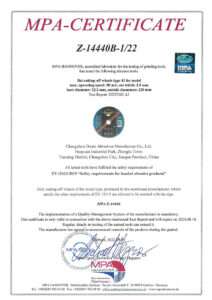
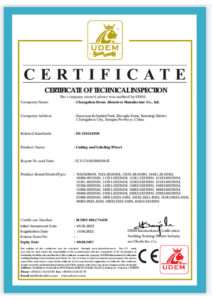
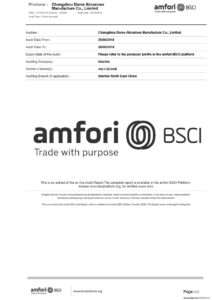
- EN12413 – European safety standard for bonded abrasives, requiring burst speed ≥1.5× rated RPM. For buyers, this confirms structural integrity at high speed and mandatory compliance for European markets.
- MPA – German Materials Testing Institute certification for abrasive tools. For buyers, this means documented compliance with Germany’s strict safety standards—a key requirement for European market access.
- CE – Mandatory EU market access mark confirming compliance with health, safety, and environmental requirements. For buyers, CE‑marked discs can be legally sold across all EU member states.
- ISO9001 – International quality management system standard. For buyers, this ensures batch‑to‑batch consistency, full traceability, and predictable product performance from every production run.
- BSCI – European supply chain social audit framework verifying compliance with labour rights, health and safety, and environmental standards. For buyers, this meets major retailer and brand procurement requirements.
- amfori BSCI – Global trade association’s social compliance programme for supply chain risk management. For buyers, this demonstrates a commitment to responsible sourcing aligned with international brand sustainability expectations.
Stainless Steel Grinding Disc FAQ
1. What are grinding discs for stainless steel?
Grinding discs for stainless steel are resin bonded abrasive wheels specifically formulated for grinding, blending, and finishing stainless steel workpieces. Unlike general‑purpose grinding wheels, they are engineered with contaminant‑free abrasives (typically Fe <0.1%) to prevent cross‑contamination and preserve corrosion resistance. They are available in multiple diameters (50–230mm) and thicknesses (3–8mm) for angle grinder applications.
2. What is the difference between a stainless steel grinding disc and a regular grinding disc?
A regular grinding disc contains iron particles that can embed in stainless steel surfaces during grinding—causing rust and corrosion over time. A stainless steel grinding disc uses an iron‑free or low‑iron formulation (Fe <0.1%) to prevent this contamination. Additionally, stainless steel discs are formulated with zirconia or ceramic abrasives that generate less heat—reducing the risk of blue/black discolouration on heat‑sensitive stainless grades.
3. Can stainless steel grinding discs be used on carbon steel?
Yes, stainless steel grinding discs can be used on carbon steel. However, once a disc has been used on carbon steel, it should not be used on stainless steel afterwards—the iron particles picked up from carbon steel will cross‑contaminate the stainless surface. For workshops that process both materials, it is recommended to keep separate discs for each.
4. What is the best grinding disc for stainless steel?
Zirconia alumina is the preferred choice for most stainless steel grinding applications—it offers self‑sharpening performance, long service life, and good heat control. For heavy‑duty production grinding and demanding applications, ceramic alumina delivers the fastest cut rate, longest life, and coolest operation. Aluminium oxide may be suitable for cost‑sensitive applications with lighter grinding requirements.
5. Are zirconia grinding discs good for stainless steel?
Yes—zirconia alumina is one of the best abrasive choices for stainless steel. Zirconia grains micro‑fracture under pressure, continuously exposing fresh cutting edges. This self‑sharpening action maintains cutting efficiency, reduces heat generation, and delivers 2–3× longer service life than aluminium oxide on stainless steel applications.
6. What grinding disc is best for stainless steel welds?
For stainless steel weld grinding, a zirconia or ceramic grinding disc is recommended. These abrasives maintain cutting efficiency under pressure, removing weld beads and blending seams without generating excessive heat—preventing blue/black discolouration. A 6mm thickness with medium grit (36–46#) works well for most weld removal tasks. For heavy weld beads and structural work, 7–8mm thickness with coarse grit (24–36#) is more suitable.
7. How can I reduce discolouration when grinding stainless steel?
Discolouration (blue/black burn marks) is caused by excessive heat generation during grinding. To reduce discolouration: use a zirconia or ceramic abrasive disc designed for stainless steel, maintain moderate grinding pressure (let the abrasive do the work), use a fresh, sharp disc rather than a worn one, avoid prolonged grinding in one spot, and consider using a disc with a cooler‑cutting formulation. Lower grinding temperatures preserve the passive layer and maintain corrosion resistance.
8. What size grinding disc fits a 4.5‑inch angle grinder?
A 4.5‑inch angle grinder takes 115mm diameter grinding discs with a 22.23mm (7/8″) bore size. Most 115mm discs have a standard thickness of 6mm. Always verify the bore size matches your grinder’s spindle—22.23mm is the most common size for 4.5″ angle grinders.
9. What is the most common stainless steel grinding disc size?
The most common size is 115mm (4.5″) —it fits the most widely used angle grinder size globally and offers the best balance of control, material removal, and machine weight for workshop fabrication. The 125mm (5″) size is also popular, particularly in North American markets, offering approximately 18% more surface coverage than 115mm.
10. What is the typical thickness of a stainless steel grinding disc?
Most standard stainless steel grinding discs are 6mm thick, offering a good balance of durability and control for general fabrication work. Thinner discs (3–4mm) are used for finishing and light work where precision is more important than material removal. Thicker discs (7–8mm) are used for heavy‑duty grinding, weld removal, and foundry work where maximum durability and service life are required.
11. Can a grinding disc be used for side grinding?
Yes—grinding discs (Type 27) are specifically designed for side grinding at 15–30° angles. They are thicker (4–8mm) and reinforced with fibreglass to withstand lateral pressure. Cutting discs (thin, 0.8–3.0mm) are not designed for side grinding and will shatter under side load. Always use a grinding disc for side grinding applications—never use a cutting disc for grinding.
12. How should stainless steel grinding discs be stored?
Store grinding discs flat (not on edge) in a cool, dry place away from direct sunlight. Maintain storage area at 40–50% relative humidity and stable temperature. Keep discs off concrete floors—moisture wicks up and can degrade the resin bond. Never stack heavy objects on top of discs—hidden cracks can develop and cause shattering during use.
13. Can you manufacture private label stainless steel grinding discs?
Yes—Dome offers full private label and OEM manufacturing for stainless steel grinding discs. Customisation options include: abrasive formulation (zirconia/ceramic/aluminium oxide), bond hardness, disc diameter and thickness, bore size, disc colour, label design, and packaging. We also provide certification support—EN12413, MPA, CE, and other compliance documents bearing your brand name. Free samples are available for testing before bulk orders.
14. Do you offer certification support for OEM products?
Yes—we provide certification support for OEM products including EN12413 documentation with your brand name on certificates, MPA certification for German market access, CE marking compliance documentation, and ISO9001 quality system documentation. We handle the certification process so you can sell with confidence in your target markets.
15. How are custom grinding discs packaged for OEM orders?
Custom packaging options include: shrink‑wrap with your label design; colour boxes with your branding; display cartons for retail presentation; branded outer shipping cartons. We can also include batch numbers and traceability data on packaging for supply chain visibility. Packaging materials and label design are produced according to your specifications before production begins.
Related Abrasive Products
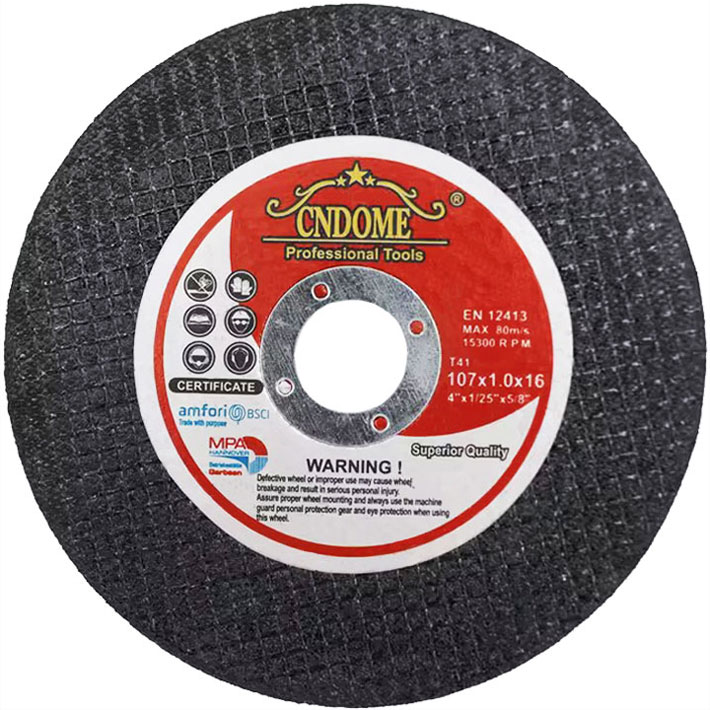
Metal Cutting Disc
General-purpose metal cutting disc for everyday cutting of carbon steel, structural steel, and ordinary steel.
Suitable Materials: Carbon steel / Structural steel / Iron
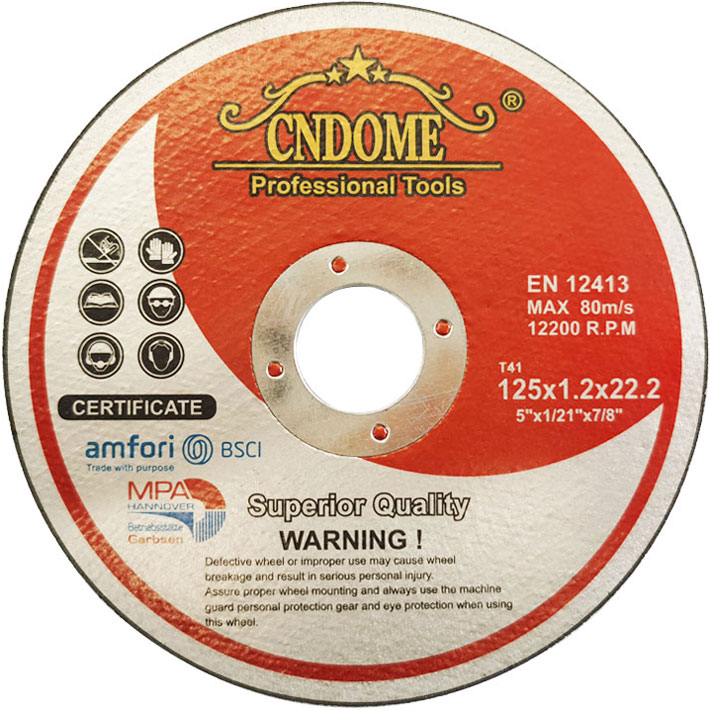
Stainless Steel Cutting Disc
Engineered for stainless steel cutting with Fe+S+Cl≤0.1% pure formula, delivering silver-bright, burn-free cuts.
Suitable Materials: 304 / 316 / 430 stainless steel
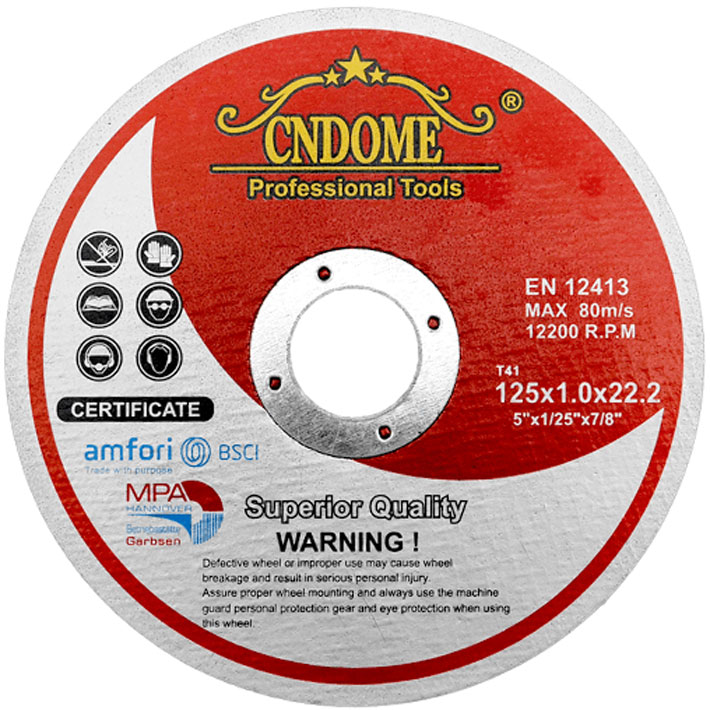
Ultra Thin Cutting Disc
Ultra-thin 0.8–1.0mm design for fast, low-heat, low-burr precision cutting of sheets and thin-wall tubes.
Suitable Materials: Stainless steel sheet / Carbon steel sheet / Thin-wall tube
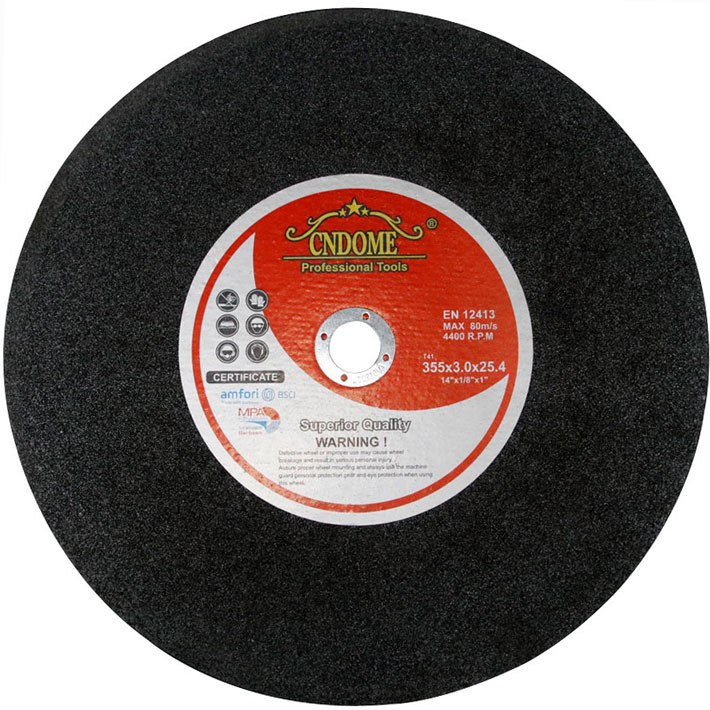
Large Diameter Cutting Disc
355mm large-diameter disc for stationary saws, cutting through large structural steel sections and heavy-wall pipes in one pass.
Suitable Materials: H-beams / I-beams / Large-diameter pipes / Rails
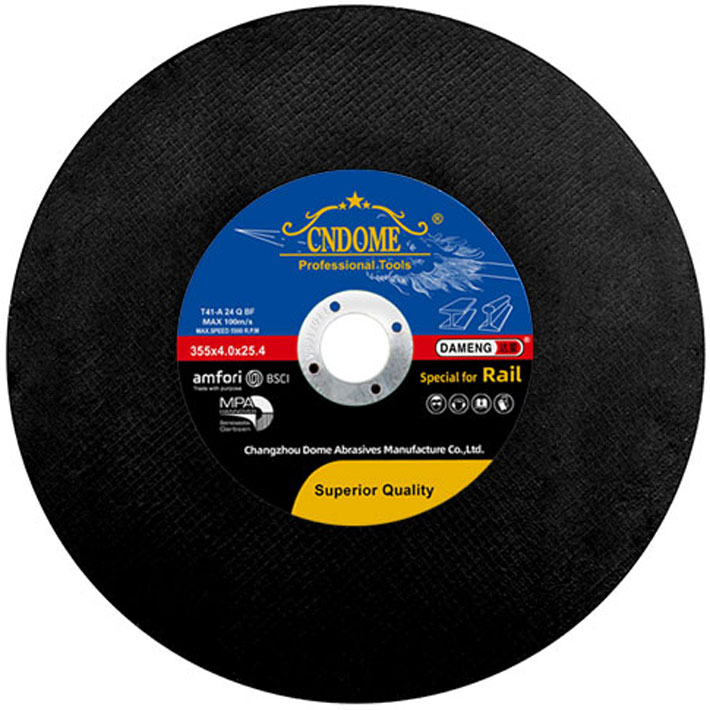
Rail Cutting Disc
Rail-specific disc with zirconia alumina and multi-layer fiberglass reinforcement, designed for heavy-duty high-hardness rail cutting.
Suitable Materials: U71Mn / U75V rails / Crane rails / High-manganese frogs
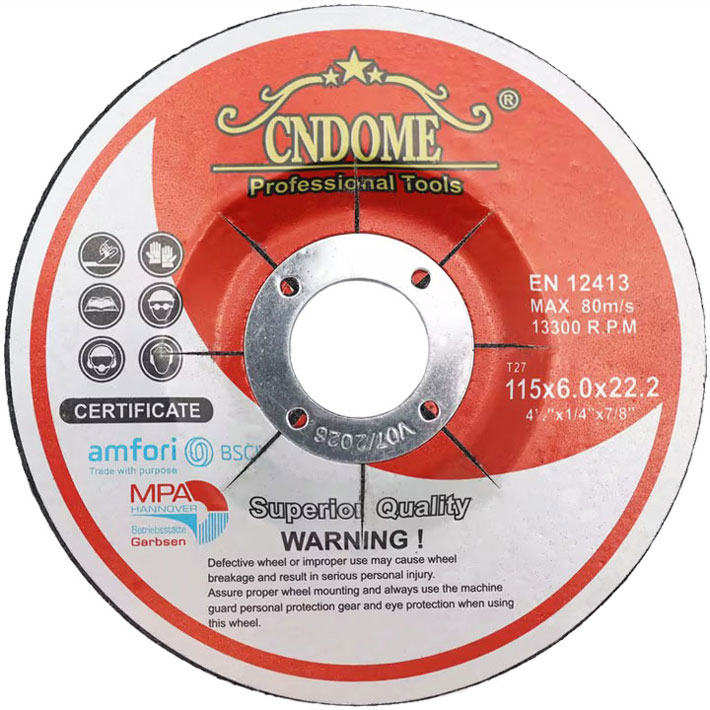
Grinding Wheel
Resin-bonded grinding wheel for surface grinding, weld dressing, and burr removal on all types of angle grinders.
Suitable Materials: Carbon steel / Stainless steel / Cast iron
Stainless Steel Grinding Resources
- Choosing the Right Grinding Disc for Stainless Steel
- Grinding Discs for Stainless Steel: The Right Choice for Precision and Performance
- Grinding Discs for Stainless Steel: Choosing the Right Tool for a Perfect Finish
- Grinding Discs for Stainless Steel: How to Choose and Use Them Correctly
Get the Right Grinding Discs for Your Stainless Steel Applications
Tell us your stainless steel grade, grinding application, disc size and machine type. CZDOME can provide suitable abrasive formulations, customized specifications and private label grinding disc solutions for distributors, wholesalers and industrial users.
Tel/WhatsApp
+86 18796960868
DomeGrinding@hotmail.com
Address
Zhenglu Garden Industrial Park, Tianning District, Changzhou City, Jiangsu Province
Manufacture & Delivery
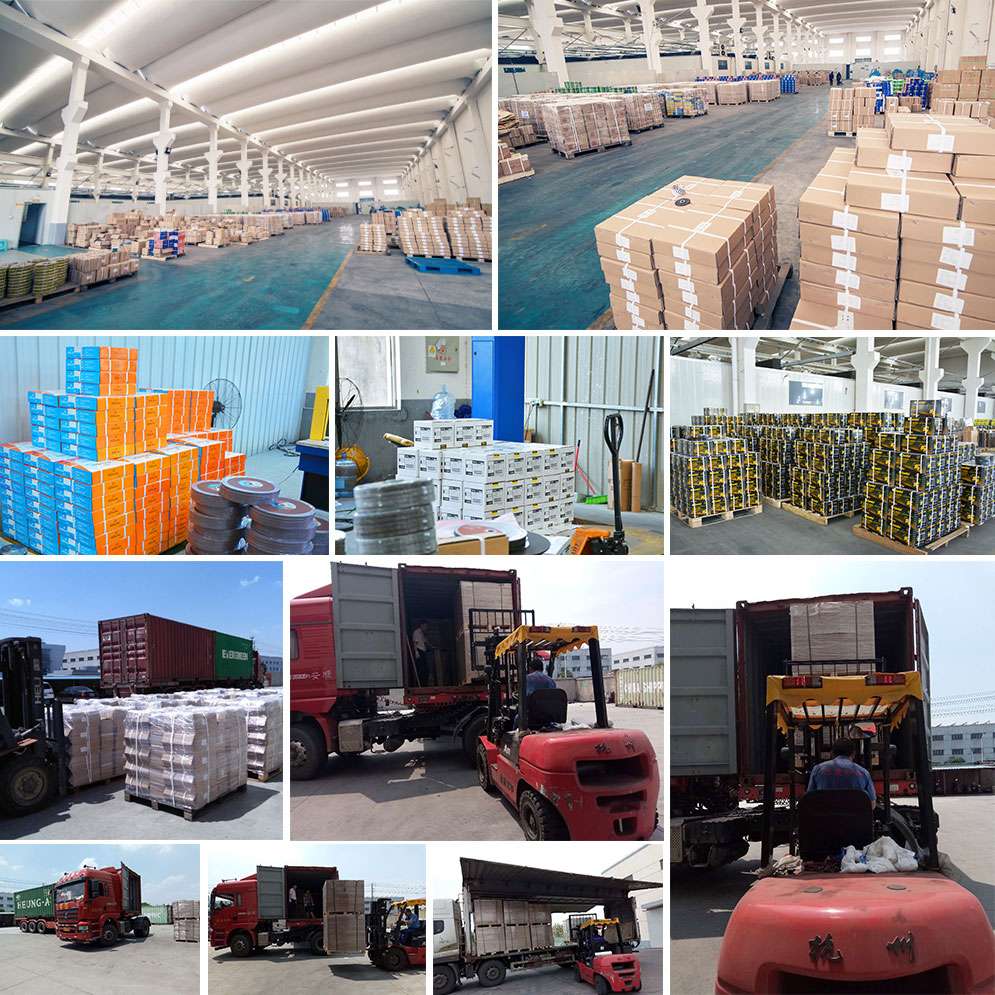
Below are actual photos of product application, product packaging and shipment, and workshop.
Factory and Workshop
Package and Delivery